
How Advertisers Should Prepare Their Affiliate Programs for Q4 Now

LinkHaitao | 2026-07-31

For affiliate marketers, Q4 is often the most competitive and lucrative period of the year. Major shopping events such as Singles' Day, Black Friday, Cyber Monday, Christmas, and year-end sales create a surge in consumer demand across markets. However, the strongest-performing affiliate programs are rarely built in October or November. They are usually the result of planning that begins months earlier.
As consumers start researching products and creating holiday shopping lists well before peak sales periods, advertisers that prepare their affiliate programs now are in a stronger position to secure publisher placements, creator partnerships, and premium exposure when competition intensifies later in the year. Industry guidance from Awin consistently recommends that brands define offers, communicate with partners, and allocate budgets well ahead of seasonal peaks to maximize performance.
For advertisers looking to make the most of Q4, preparation should extend far beyond simply increasing commissions. It requires a coordinated strategy involving publishers, creators, promotions, compliance, and performance forecasting.
Why Q4 Planning Starts Earlier Than Many Brands Expect
Holiday shopping behavior has been shifting earlier for several years. According to Awin, many consumers now begin their holiday shopping in September and October, prompting brands and publishers to launch promotions earlier as well. The network notes that advertisers should already be focused on Cyber Week and holiday planning long before Q4 officially begins.
This trend creates an important challenge for advertisers. By the time Black Friday arrives, many publishers have already finalized gift guides, promotional calendars, email placements, and creator collaborations.
Waiting until the last minute can mean:
●Missing premium placements on major content sites and media partners.
●Losing visibility to competitors that secured creator partnerships earlier.
●Having insufficient time to test offers and landing pages.
●Rushing communication with affiliates during the busiest period of the year.
The earlier brands begin planning, the more opportunities they have to influence publisher content calendars and campaign strategies.
Review Your Affiliate Program's Performance Before Scaling
Before developing new Q4 initiatives, advertisers should conduct a comprehensive review of their affiliate program performance from the previous 12 months.
Key questions include:
●Which publishers drove the highest volume of sales?
●Which partners generated the strongest return on investment?
●Which promotional periods delivered the highest conversion rates?
●Which products or categories performed best during seasonal campaigns?
●Where did customer acquisition costs increase?
According to Awin's affiliate program optimization guidance, performance data should be used to identify opportunities and inform future partner strategies rather than relying solely on historical assumptions.
This analysis can help advertisers prioritize resources and focus investments on the partners and content formats most likely to deliver results during peak shopping periods.
Secure Creator and Publisher Partnerships Early
One of the most significant changes in partnership marketing is the growing role of content creators within the affiliate ecosystem.
Influencer marketing increasingly extends beyond sponsored posts into long-term performance-based partnerships. Vogue recently reported that brands are moving away from one-off collaborations and investing more heavily in ongoing creator relationships, often giving creators greater strategic involvement and creative control.
For affiliate advertisers, this means creators should not be viewed as a last-minute promotional channel.
Instead, brands should begin recruiting and activating creators now so they have time to:
●Test products and develop authentic content.
●Create gift guides and seasonal recommendations.
●Produce educational, review, comparison, and lifestyle content.
●Build audience anticipation ahead of major shopping events.
Strong creator partnerships often require lead time. The brands that start conversations early are typically better positioned to secure quality placements during the busiest shopping periods.
Develop a Competitive Q4 Commission Strategy
Commission structures can significantly influence publisher participation during Q4.
According to Awin's seasonal planning recommendations, advertisers should evaluate whether additional budget is available for increased commissions, promotional boosts, or premium placements during peak periods.
Rather than applying a blanket increase across all partners, advertisers may benefit from a tiered approach:
Reward Top Performers
Provide higher commission opportunities for affiliates with proven conversion performance.
Incentivize New Customer Acquisition
Offer bonuses for publishers that bring in first-time customers rather than focusing solely on sales volume.
Create Event-Based Incentives
Introduce temporary commission boosts during key periods such as:
●Singles' Day
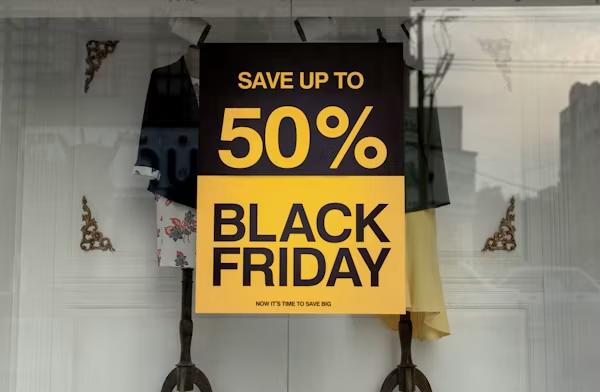
●Black Friday
●Cyber Monday
●Christmas promotions
●Year-end clearance events
These incentives can encourage affiliates to prioritize your offers when deciding which brands to feature during crowded promotional periods.
Build a Promotional Calendar Affiliates Can Plan Around
One common mistake advertisers make is communicating promotions too late.
Publishers, media sites, and creators often schedule content weeks or even months in advance. Awin recommends informing partners early about seasonal promotions so they can effectively integrate campaigns into their content calendars.
A strong Q4 promotional calendar should include:
●Key promotional dates.
●Discount levels.
●Coupon availability.
●Product launches.
●Shipping deadlines.
●Gift-with-purchase offers.
●Limited-edition collections.
Providing this information early allows affiliates to build more comprehensive campaigns around your offers rather than treating them as last-minute additions.
Prepare Product Feeds, Creative Assets, and Landing Pages

Even the best affiliate relationships can underperform if supporting assets are outdated or incomplete.
Before Q4 begins, advertisers should review:
Product Feeds
Ensure inventory, pricing, and product availability are accurate and up to date.
Creative Assets
Provide affiliates with:
●Holiday banners.
●Lifestyle imagery.
●Video content.
●Social media assets.
●Product collections.
Landing Pages
Optimize landing pages for:
●Mobile users.
●Fast loading speeds.
●Seasonal messaging.
●Simplified checkout experiences.
Given the increasing influence of social commerce and creator-driven shopping experiences, ensuring a seamless customer journey from content to checkout is becoming increasingly important. Recent reporting on TikTok Shop's holiday performance highlighted how creator-driven commerce continues to influence purchasing behavior during major shopping events.
Strengthen Compliance and Brand Protection Measures
As affiliate activity increases during Q4, so does the risk of compliance issues.
Advertisers should review policies related to:
●Trademark bidding.
●Coupon code usage.
●Promotional claims.
●Influencer disclosures.
●Paid search activity.
Compliance has become an increasingly important topic within creator commerce. Recent academic research examining affiliate marketing on YouTube found that affiliate links are widespread while disclosure compliance remains inconsistent across many creators. The researchers recommend greater collaboration among platforms, brands, and affiliate partners to improve transparency and trust.
Clear guidelines and proactive monitoring can help brands protect both performance and reputation during peak shopping periods.
Forecast Inventory and Customer Experience Needs
Affiliate marketing does not operate in isolation from broader business operations.
Before Q4, advertisers should work closely with internal teams to evaluate:
●Inventory availability.
●Fulfillment capacity.
●Shipping timelines.
●Customer support resources.
●Returns management processes.
Promoting products that quickly go out of stock can negatively affect affiliate relationships and customer satisfaction. Publishers are more likely to continue prioritizing brands that consistently deliver positive shopping experiences throughout the season.
Think Beyond Black Friday and Cyber Monday
While Black Friday and Cyber Monday dominate many Q4 discussions, advertisers should avoid concentrating their entire affiliate strategy around a single week.
Consumer demand often extends across multiple shopping moments, including:
●Early holiday shopping periods.
●Singles' Day promotions.
●Gift-giving occasions.
●Last-minute shopping windows.
●Post-Christmas sales.
●New Year campaigns.
Business Insider reported that a meaningful portion of holiday purchases occur during the final weeks before Christmas, highlighting the importance of maintaining promotional momentum throughout the entire quarter.
A diversified Q4 strategy allows advertisers to capture demand across the full seasonal shopping journey rather than relying on a single event.
Final Thoughts
The most successful affiliate programs do not wait for Q4 to arrive before taking action. By reviewing performance data, securing creator partnerships, developing competitive commission structures, preparing promotional calendars, and strengthening compliance processes now, advertisers can create a stronger foundation for holiday success.
As competition for consumer attention continues to intensify, early preparation gives brands more opportunities to collaborate effectively with affiliates, content creators, and media partners. The advertisers that invest in planning today are often the ones best positioned to capture growth when peak shopping season arrives.